Hatshepsut Temple

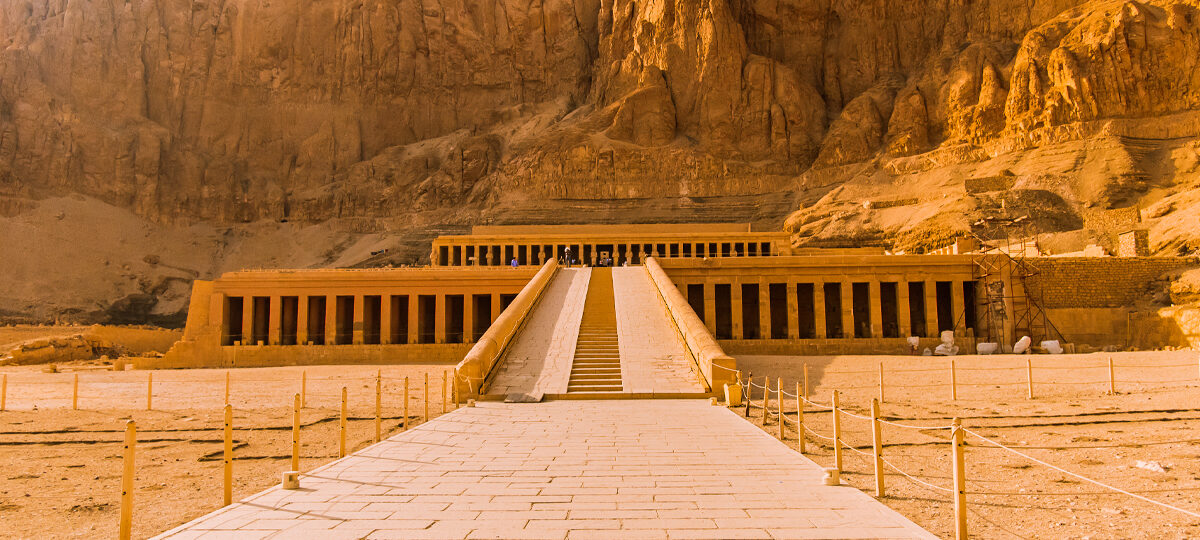
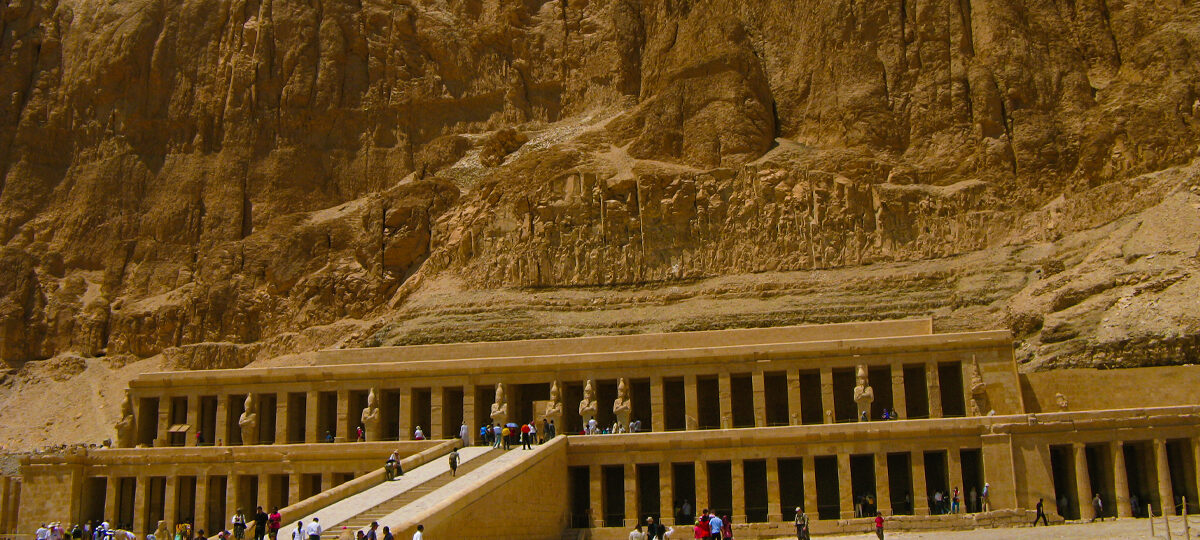
The dramatic mountain setting at Deir al-Bahri is a beautiful backdrop for the Temple of Hatshepsut’s Tomb. During the 18th Dynasty, Queen Hatshepsut’s architect Senenmut built a beautiful structure. It is made up of a series of beautiful terraces that rise from the desert plain After Ramses II and his successors destroyed the temple, Christians turned it into a monastery.

Karnak Temple

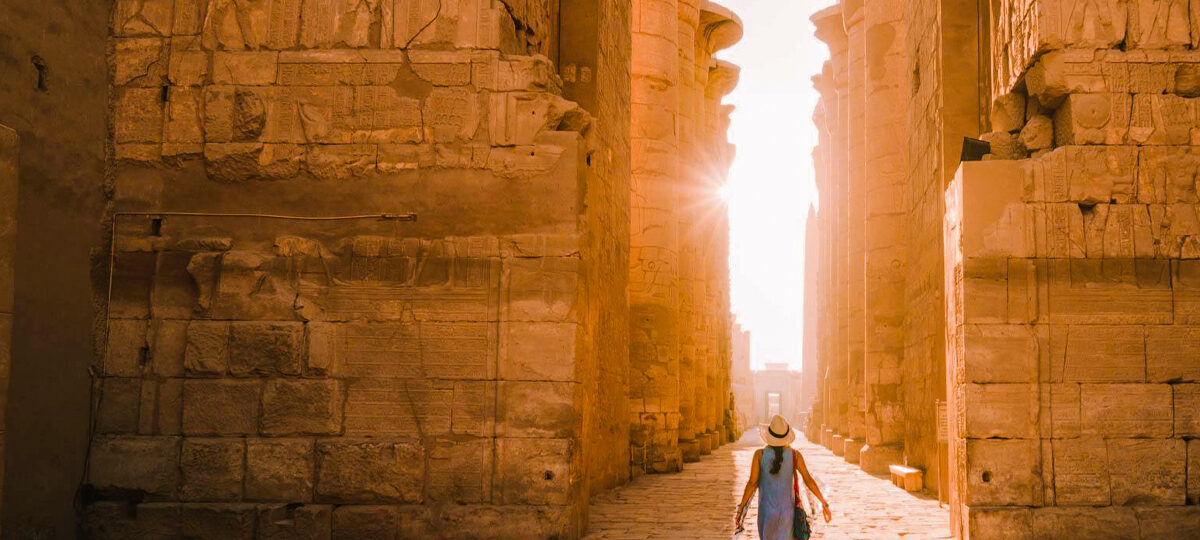
During the time of the pharaohs of the New Kingdom, Egypt’s capital was Luxor, where the temple of Karnak is now. This ancient Egyptian temple wasn’t always called Karnak. It used to be called the northern House of god Amun, just like the southern House of god Amun at the Temple of Luxor. The city of Palaces, also known as Luxor, used to be called Thebes.

Kom Ombo Temple

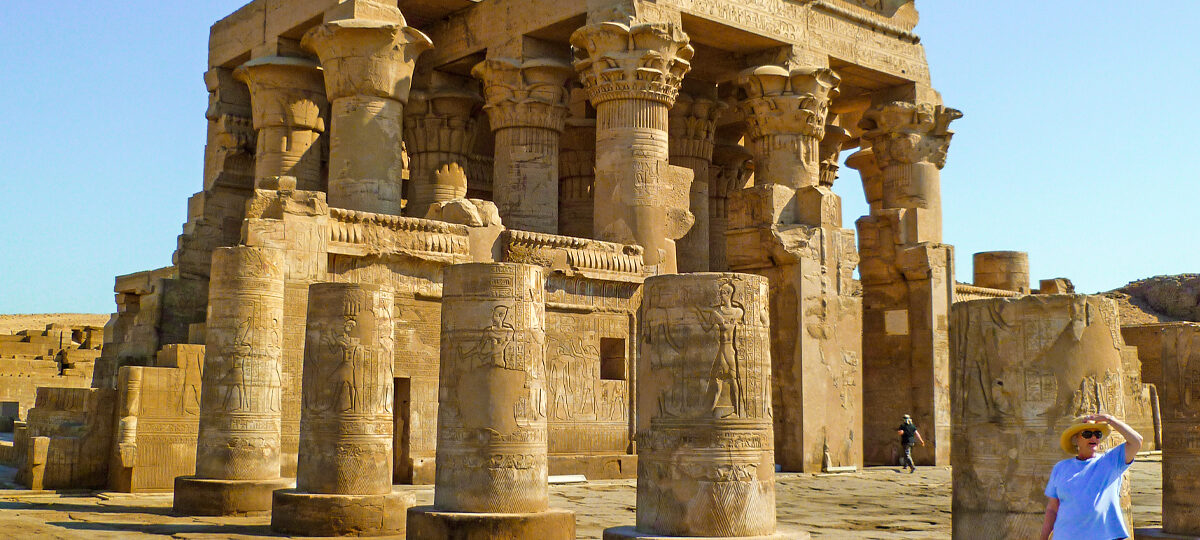
The Kom Ombo temple is on the east bank of the Nile, about 40 km north of Aswan. It is on a small hill made of stone and sand. The stories about how it was built and how it was destroyed are just as interesting as the amazing Ptolemaic architecture Kom Ombo is a misspelling of Ombos, an ancient Egyptian city whose name comes from the Egyptian word for gold, nwbt.

Luxor City in Egypt

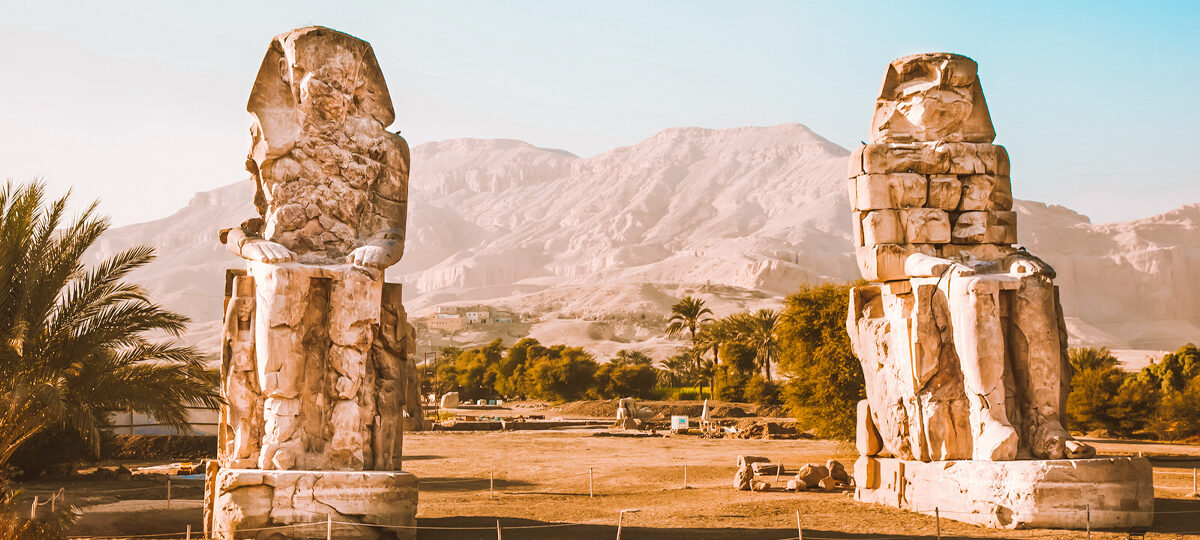
The city of Luxor in Egypt was built on the ruins of Waset which was the capital of the New Kingdom and the seat of the Fourth Nome of Upper Egypt. The Greeks changed the name of Waset to Thebes (the Greek city). It is on the eastern bank of the Nile, about 200 kilometers north of the first waterfall (Aswan). In 2006, 451,318 people lived there Luxor was one of Egypt’s most important cities in the past.

Login