Islamic Cairo

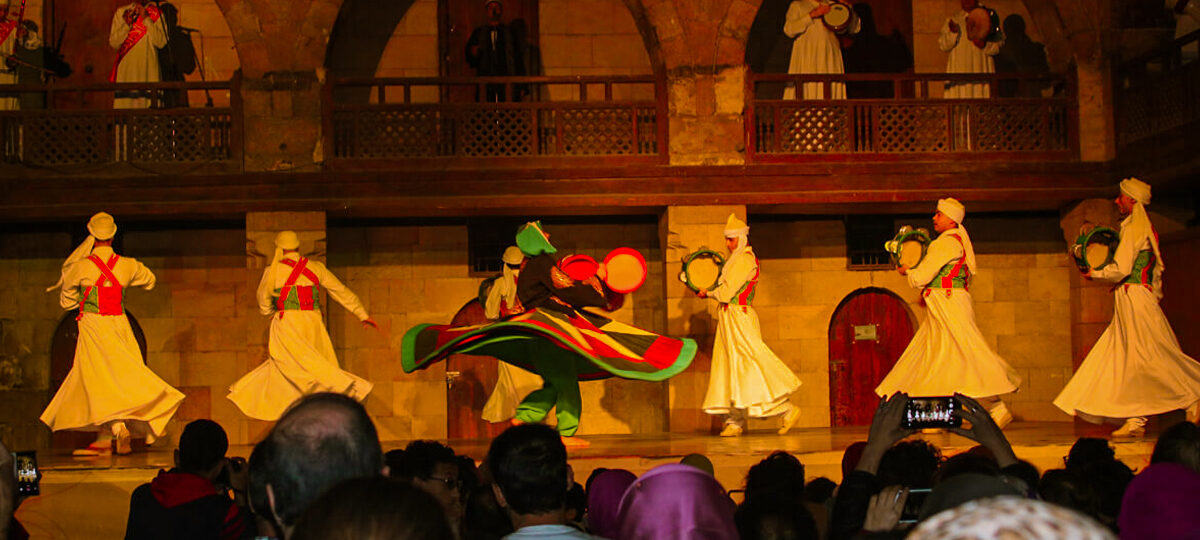
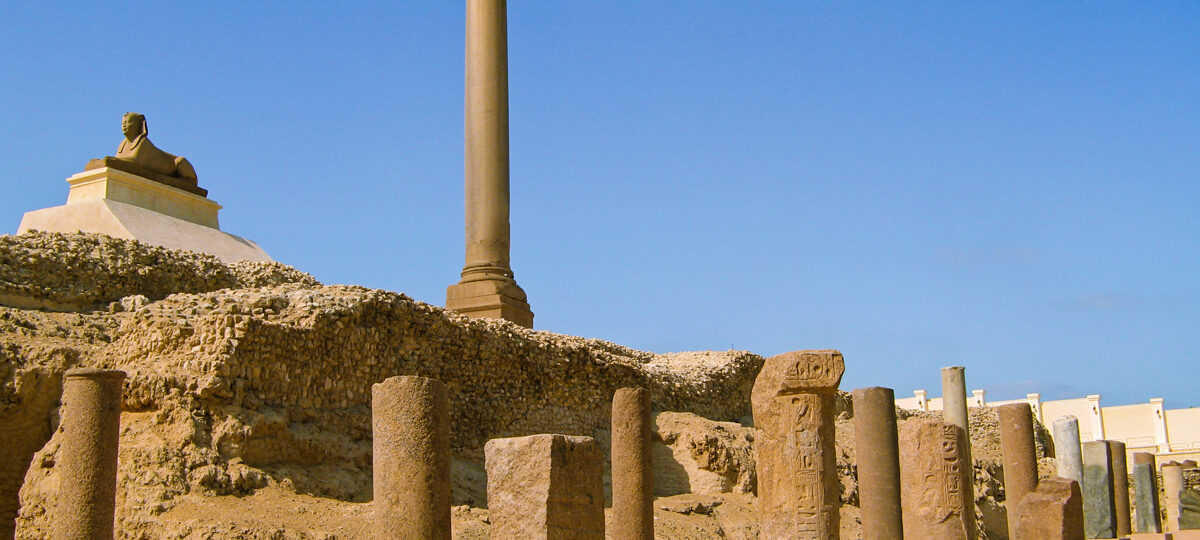
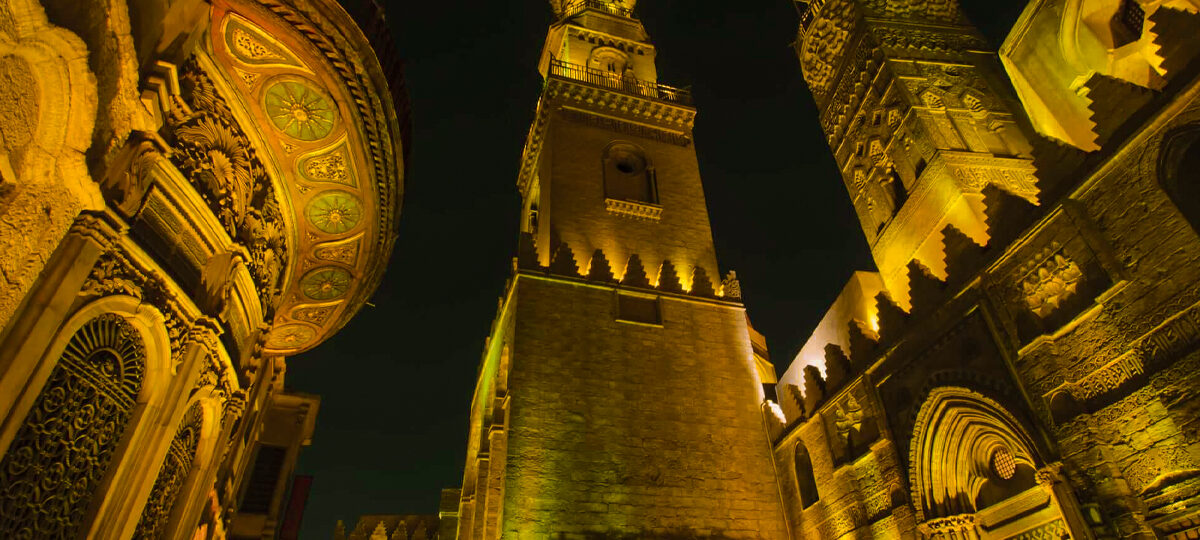
Islamic Cairo is the name for the old part of Cairo. After the Fatimid dynasty took over Egypt in 969 AD, they built a new capital to the north of the old city. This was where they ran their government. The name of the current city comes from the name of this new city, which was Al-Qahira (which translates as The Vanquisher in English).
Qaitbay Citadel

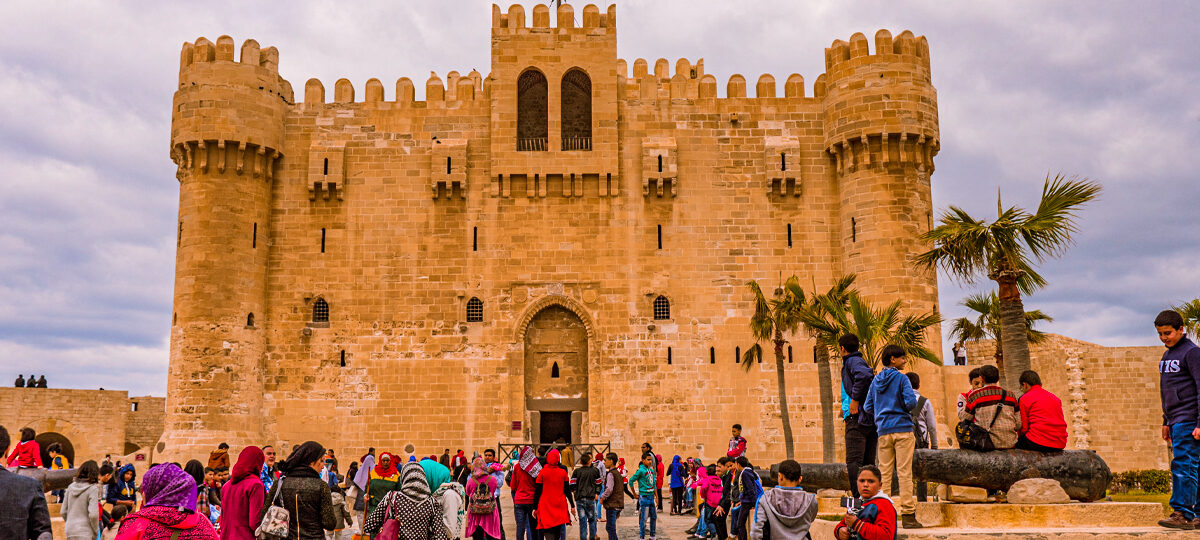
In the 14th century, Sultan Qaitbey built this huge fortress to protect Alexandria from the expanding Ottoman Empire. Since the Ottomans took over Egypt in 1512, he hasn’t been able to do anything about it. However, the castle has stayed standing because of its strategic location on a narrow arm of land that goes down into Alexandria’s harbour from the corniche and looks out over the Mediterranean.

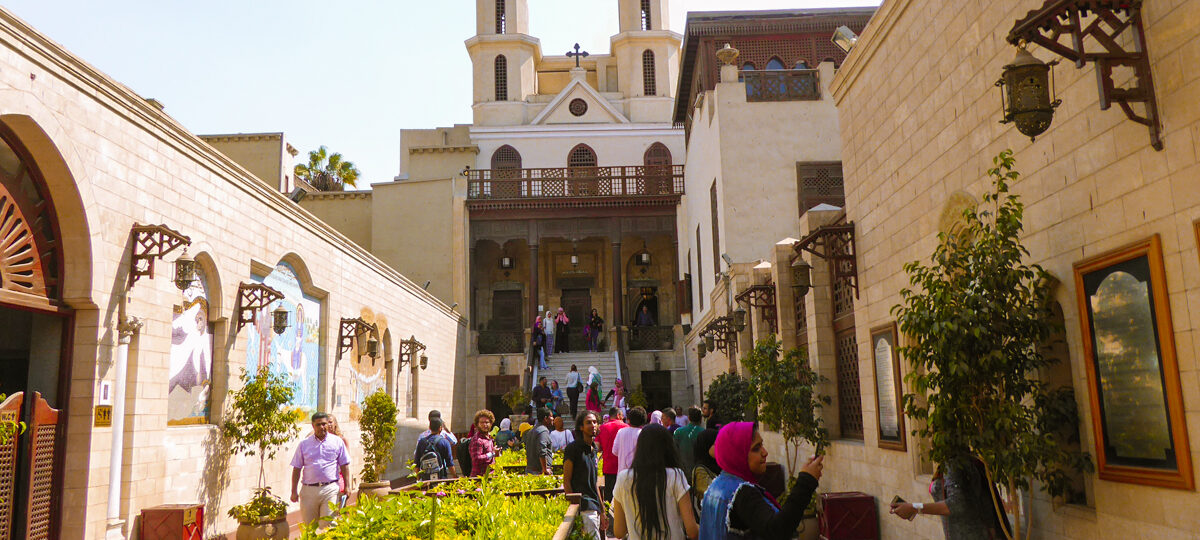
Hanging Church

A trip to Coptic Cairo wouldn’t be complete without seeing the Church of the Virgin Mary, also called “the Hanging Church,” which is the city’s most famous site. The name comes from the fact that it was built on top of the walls of the Roman fortification of Babylon, which dates back to the 4th century BC and whose remains can still be seen around Coptic Cairo.

El Ghorya

The Ghouriyya Complex is right south of Al-Azhar Street at the start of the part of Al-Muizz Street that goes south and leads to Bab Zuweila. On the east side of the road is the tomb that Al-Ghuri built for himself. Unfortunately, his body parts were lost in battle with the Ottomans and were never put back in his hometown.

Login